We're Hiring — build your career with Hoover



How Much Does Emergency HVAC Service Cost?
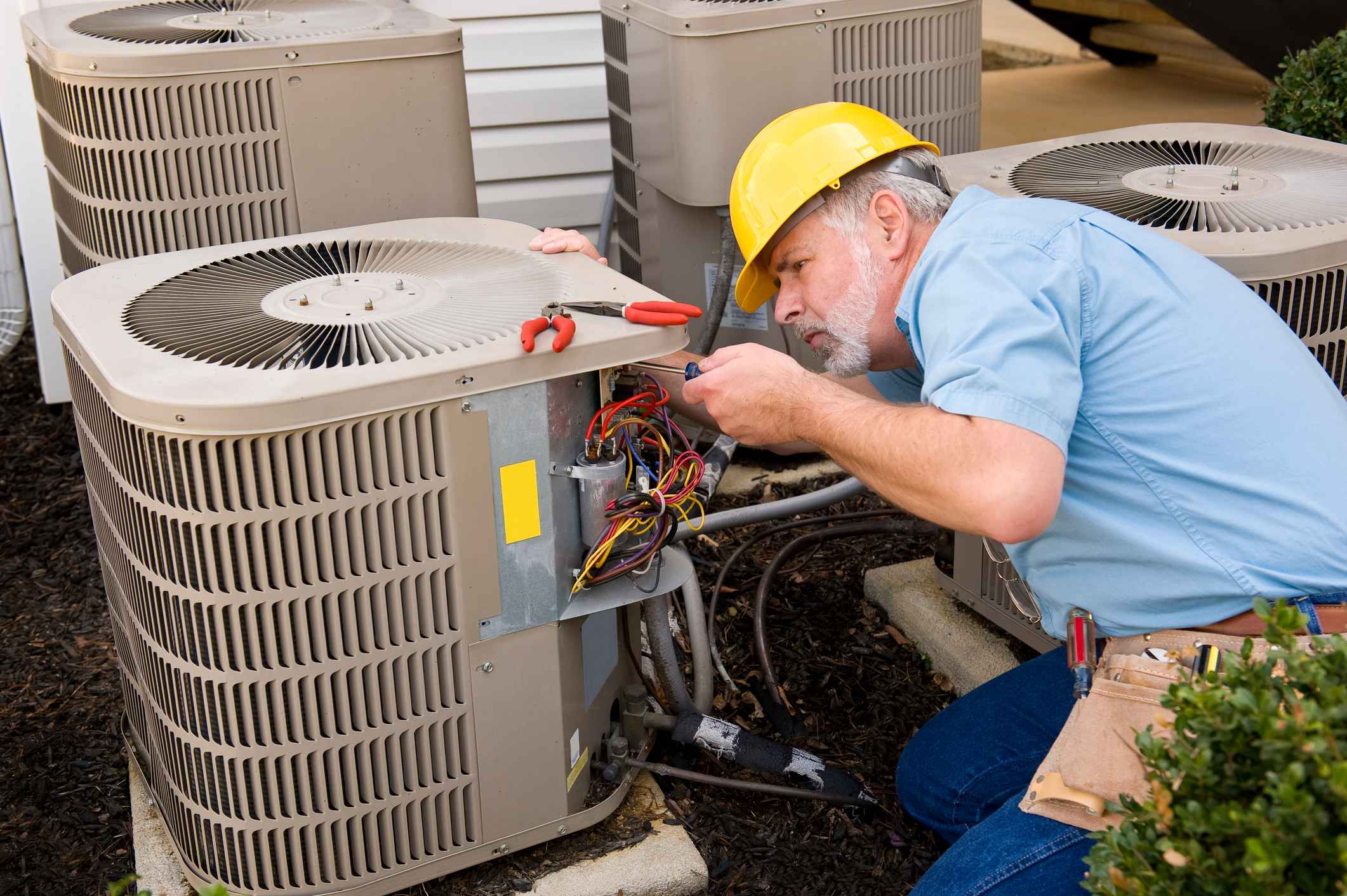
Delaying an air conditioner or furnace repair can cost you in many different ways. It can lead to a sudden total system breakdown, destroy your indoor comfort during peak weather, and dramatically shorten your equipment’s overall lifespan. Postponing a necessary repair also risks causing cascading internal damage to other parts of your unit, which ultimately forces you to pay double to fix issues that could have been resolved early on.
When your cooling or heating infrastructure fails completely on a blistering summer afternoon or during a freezing Michigan winter night, waiting around for a standard weekday appointment is rarely an option. You need relief immediately to protect your home and family. However, emergency services naturally operate on a different cost tier than routine appointments. An emergency HVAC repair in Troy, MI carries an understandable premium compared to a typical service call. Hoover Electric, Plumbing, Heating & Cooling has been serving Southeast Michigan homeowners with honest, dependable craftsmanship since 1980. This guide breaks down exactly what you can expect to pay for an emergency service dispatch, the common hardware prices for hidden component failures, and the external variables that shape your final invoice.
The Math Behind Emergency Trip Fees and Premium Hourly Rates
The primary reason an emergency service call costs more than a standard diagnostic appointment comes down to the logistics of rapid, after-hours dispatching. When an HVAC provider keeps master technicians on call through the middle of the night, on weekends, or during major national holidays, the overhead cost of operations changes significantly.
Premium Hourly Rates and Overtime Surges
The base cost of emergency HVAC service is typically double to triple that of a regular, scheduled daylight service call. For example, if a home service contractor normally charges a standard daytime labor rate of $75 per hour, an emergency weekend or midnight visit will typically scale up to anywhere between $150 and $275 per hour. If a high-demand firm’s standard diagnostic rate is $100 per hour, you can expect an emergency labor rate of $300 or more just for the technician to drive to your property, unpack their diagnostic meters, and trace the physical failure within your heating or cooling system.
Flat-Rate Holiday and After-Hours Trip Fees
Conversely, some specialized trade contractors utilize a different pricing framework to manage after-hours demands. Instead of doubling their standard hourly labor rates across the board, they charge a flat, predetermined after-hours diagnostic premium on top of their standard flat-rate part pricing guide. This flat emergency access fee acts as an insurance premium to guarantee a technician arrives at your door within a few short hours of your initial phone call, regardless of the time of day.
Cost Guidelines by Component: What Part Failed Inside Your System?
Once a technician successfully isolates the mechanical error behind your system breakdown, the total price of your emergency visit will be heavily shaped by the specific component that requires repair or full mechanical replacement.
Common Internal Control and Electrical Hardware Costs
- Circuit Board Replacements: The central electronic control board manages all operational voltage timings. Replacing a fried main board typically costs between $100 and $600.
- Dual Run Capacitors and Relays: These small electronic parts act as starting batteries for your heavy motors. Replacing a blown capacitor is a quick fix, usually ranging from $75 to $250.
- Thermostat Unit Modernizations: If your wall command interface fails to send signals down your control wires, a standard replacement costs between $75 and $575.
Airflow and Environmental Drainage Network Costs
- Blower Fan Motor Assemblies: The fan motor moves conditioned air through your supply ducts. Replacing a burned-out fan motor runs anywhere from $200 to $700.
- Condensate Drainage Flush and Pump Repairs: Clearing a biological slime plug from your plastic drain lines ranges from $75 to $250, while installing a completely fresh condensate pump runs between $100 and $165.
- Complete System Ductwork Restoration: If a major trunk line collapses inside a crawl space, sealing and rebuilding section zones can cost between $500 and $2,000.
Major Refrigerant and Sealed-Loop Component Costs
- Evaporator and Condenser Coils: If your aluminum or copper heat-exchange coils leak or corrode, a localized coil replacement costs between $400 and $1,500.
- Refrigerant Leak Detection and Recharge: Finding a microscopic line crack and recharging lost coolant levels can run anywhere from $200 to $1,500, depending on the volume of refrigerant required.
- The System Compressor: The compressor acts as the heart of your entire cooling network. If the compressor locks up or suffers internal electrical failures, replacing this massive asset runs between $750 and $2,000.
- Complete Air Handler Replacement: If the entire indoor blower and coil chamber housing has degraded beyond safe recovery, a full structural swap ranges from $1,500 to $3,400.
Hidden Cost Modifiers: External Factors That Shape Your Invoice
Beyond the specific part price and the time of day your system fails, several external variables will influence how much money you must invest to restore your home utility grid.
Equipment Lifespan and Part Availability
Older HVAC systems that have been running for more than ten to fifteen years typically require more technically demanding diagnostics. Because heating and cooling technology evolves rapidly, finding factory-authorized replacement parts for an ancient furnace or an obsolete outdoor air conditioner can be incredibly difficult, especially during a midnight emergency dispatch. If a technician has to drive across counties to access a specialized parts warehouse after hours, or if components must be rushed via express freight, your total project costs will climb.
Equipment Placement Accessibility and Operational Scale
The physical size of your home and the complexity of your heating and cooling layout play a massive role in labor costs. A self-contained, package system that sits cleanly on a ground-level concrete slab is incredibly easy for a technician to test and service. Conversely, if your system involves multi-zone indoor handlers buried deep within a cramped, low-clearance crawl space or tucked behind finished basement drywall, the contractor must charge more for the extra time, safety rigging, and intense physical effort required to execute the repair cleanly.
Regional Climate Pressures and Travel Distances
Where you live and the current outdoor weather patterns will naturally shift emergency price trends. You are far more likely to pay a premium for emergency service during peak weather months, such as the initial triple-digit summer heat waves or the deepest sub-zero winter freeze cycles, when local service queues are packed with hundreds of competing property owners. Additionally, if you live in a remote area far outside a service company’s core metropolitan dispatch zone, the service group must factor extra fuel, vehicle maintenance, and drive-time labor into your emergency trip fee.
Proactive Maintenance: The Ultimate Defense Against Emergency Costs
The absolute most effective way to eliminate emergency service fees from your annual household budget is through continuous, disciplined preventative maintenance. The overwhelming majority of midnight system failures are completely preventable, triggered by minor maintenance oversights that compound over time.
Why Neglecting Routine Care Costs You Long-Term
When you miss your regular seasonal inspections, fine household dust, pet dander, and outdoor cottonwood fluff accumulate along your indoor coils and clog your air filters. This restricted airflow forces your blower motors and compressor engines to run significantly longer and hotter than they were engineered to handle. This extra strain quickly destroys your monthly energy efficiency, accelerates internal component wear, and leads directly to sudden system blackouts during severe weather spikes. Furthermore, neglecting to schedule annual, professional precision tune-ups can instantly void your original manufacturer’s parts warranty, leaving you completely responsible for the full cost of major equipment replacements.
Restoring Perfect System Safety and Total Peace of Mind
Securing a safe, reliable central heating and cooling grid is one of the most critical responsibilities of home ownership in Michigan. While basic tasks like keeping your return grilles clear of furniture and replacing your indoor air filters on a regular schedule are excellent household habits, diagnosing high-voltage electrical shortages, balancing delicate chemical refrigerant pressures, and flushing thick biological slime out of deep drainage lines requires specialized commercial diagnostic tools and professional trade certification.
Continuing to run a damaged or malfunctioning system through an intense seasonal weather cycle is a high-stakes gamble that guarantees skyrocketing utility invoices, permanent engine damage, and messy water leaks inside your walls. Making the proactive choice to partner with a certified technician at the first sign of an unusual noise or an erratic temperature swing permanently drops your emergency repair risks, lowers your monthly energy expenses, and ensures your home remains a safe, relaxing sanctuary through every season of the year.
Get Round-the-Clock Emergency Care from Hoover Electric, Plumbing, Heating & Cooling
You do not have to freeze during a severe winter storm or suffer through a sticky summer blackout on your own. The friendly, fully licensed team at Hoover Electric, Plumbing, Heating & Cooling is ready to restore your comfort, 24/7. Since 1980, our NATE-certified technicians have been delivering master-level precision and upfront, transparent pricing across Troy, Clinton Township, and the surrounding Southeast Michigan communities. Whether your system is short-cycling, leaking water, or refusing to kick on, we provide competitive rates, flexible financing options, and the honest guidance you deserve.
Reach out to our team to schedule your HVAC service!
Recent Posts
Heat Pump for Your Troy Home: Is It Efficient Enough for Michigan Winters and Summers?
How Many Repairs Are Too Many Before Replacing Your AC: What Southeast Michigan Homeowners Need to Know?
Why Southeast Michigan’s Clay Soil Is Destroying Sewer Lines in Older Neighborhoods
Get in Touch

When You Want It Done Right
Call Hoover!
Our electrical, plumbing, heating, & cooling professionals offer all the services you need under one roof.