We're Hiring — build your career with Hoover


How Many Repairs Are Too Many Before Replacing Your AC: What Southeast Michigan Homeowners Need to Know?
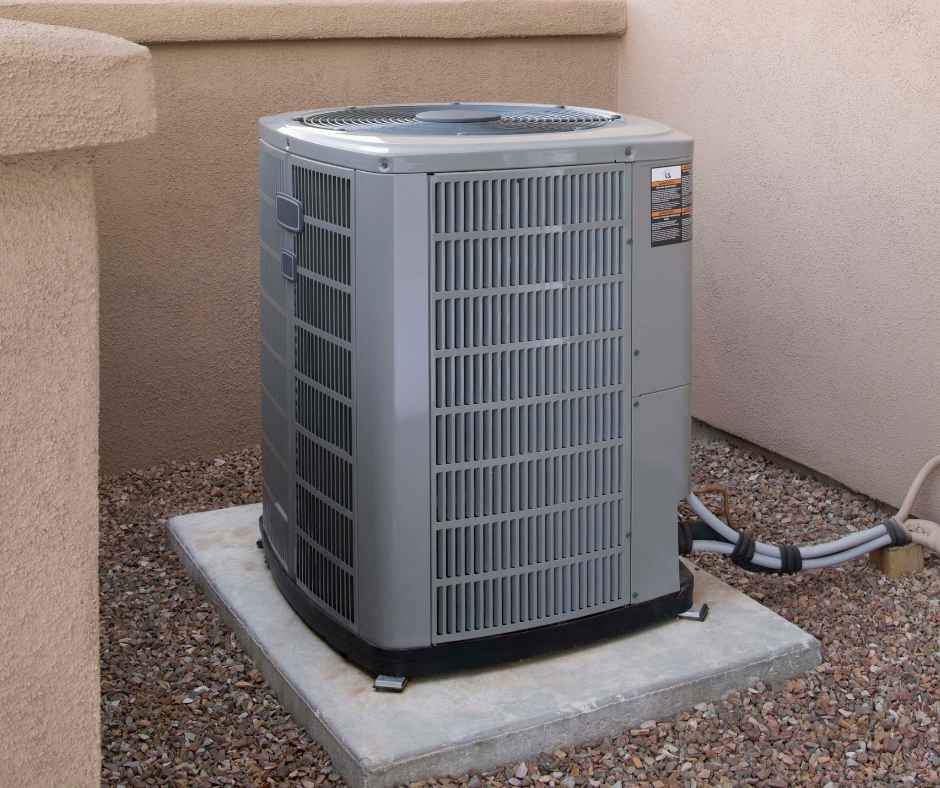
One air-conditioning repair does not automatically mean you need a new system. However, repeated breakdowns can become expensive, inconvenient, and difficult to justify, especially when the equipment is older or no longer cools your home effectively.
In this guide, you will learn how to evaluate repair frequency, system age, repair cost, cooling performance, and future reliability before deciding whether to repair or replace your AC. For Southeast Michigan homeowners, the best choice depends on the full condition of the system, not just the number of service calls.
How Many AC Repairs Are Too Many?
There is no universal number of repairs that means an air conditioner must be replaced. Two minor repairs over several years may be reasonable, while two major failures in one summer may suggest that the system is nearing the end of its practical service life.
Replacement deserves serious consideration when several of these conditions apply:
- Repairs are becoming more frequent
- The system is more than about 10 years old
- The current repair is expensive
- The same problem keeps returning
- Multiple major components have failed
- Cooling performance continues to decline
- Energy bills are increasing
- The system uses an older refrigerant
- You no longer trust the AC to make it through summer
The repair pattern matters more than the raw number. A single inexpensive repair on an otherwise dependable system is very different from repeated service calls involving compressors, coils, refrigerant leaks, and electrical failures.
Why Does the Pattern of Repairs Matter More Than the Number?
Not all AC repairs carry the same cost, risk, or long-term meaning. Some failures are isolated maintenance issues. Others indicate broader wear throughout the system.
For example, replacing a failed capacitor may restore normal operation for years if the rest of the equipment is in good condition. A clogged condensate drain may also be a relatively straightforward repair.
The situation becomes more concerning when:
- Different components fail within a short period
- A previous repair does not last
- The system needs refrigerant repeatedly
- Breakdowns occur during the hottest weather
- Service calls are becoming more expensive
- The AC still performs poorly after repairs
Keep records of service dates, repair costs, replaced parts, and technician recommendations. This history can reveal whether the system is experiencing occasional wear or entering a pattern of ongoing failure.
A homeowner who has already paid for several major repairs should consider how much additional money could be spent before replacement becomes unavoidable. Continuing to repair an unreliable system may delay replacement, but it may not reduce the total long-term cost.
How Does the Age of Your Air Conditioner Affect the Decision?
Air-conditioner age is an important factor, but it should not be used as an automatic deadline. Some systems continue operating reliably beyond their expected service life, while others develop expensive problems earlier.
As equipment gets older, homeowners may face:
- More frequent component failures
- Reduced energy efficiency
- Greater difficulty finding compatible parts
- Higher repair costs
- Declining cooling performance
- Increased risk of an unexpected breakdown
A system that is only a few years old and still under warranty is often worth repairing unless it has a serious installation or design problem. A system that is more than 10 years old may require a closer repair-versus-replacement comparison, especially if it has already needed multiple repairs.
Maintenance history also matters. Equipment that has received regular filter changes, coil cleaning, inspections, and minor repairs may remain dependable longer than a neglected system.
Age should be considered alongside condition, not in place of it. An older AC that still cools evenly and has needed few repairs may be a better repair candidate than a newer system with chronic problems.
When Is an AC Repair Too Expensive to Justify?
A repair becomes harder to justify when the cost represents a large portion of the price of a replacement system, particularly if the existing AC is old or unreliable.
There is no single percentage that works for every homeowner. Instead, compare the repair estimate with:
- The age of the equipment
- The remaining expected service life
- Recent repair spending
- Warranty coverage
- Current cooling performance
- Energy efficiency
- Replacement cost
- Available financing or rebate opportunities
- The likelihood of another major failure
A costly repair on a younger system may make sense if the equipment is otherwise efficient, properly sized, and covered by a parts warranty. The same repair on an older unit with several previous failures may offer little long-term value.
Ask the technician whether the repair is expected to restore dependable operation or simply address the current symptom. Also ask whether other components show signs of wear.
The cheapest immediate option is not always the lowest-cost decision over the next several years.
Which AC Problems May Point Toward Replacement?
Some air-conditioning problems are commonly repaired without replacing the full system. Others may justify a broader discussion about equipment condition and replacement.
Repairs that may be reasonable on an otherwise healthy system include:
- A failed capacitor
- A worn contactor
- A clogged condensate drain
- A thermostat problem
- A minor wiring issue
- A failed sensor
- A small repair covered by warranty
Replacement may deserve stronger consideration when the system has:
- A failed compressor
- A major evaporator or condenser coil leak
- Repeated refrigerant leaks
- Extensive corrosion
- Multiple failing components
- Severe electrical damage
- Chronic short cycling
- Persistent performance problems after repair
- A major failure outside warranty coverage
A compressor or coil failure does not always require replacement. The technician should consider the system’s age, refrigerant type, warranty, and overall condition.
Be cautious when a repair is technically possible but leaves you with an old system that may soon need another expensive component.
Is the AC Still Cooling Your Home Efficiently?
An air conditioner does not have to stop running completely before replacement becomes reasonable. Declining comfort and efficiency can also indicate that the system is no longer meeting your needs.
Watch for:
- Rooms that stay warmer than others
- Long cooling cycles
- Weak airflow
- Difficulty reaching the thermostat setting
- Frequent starts and stops
- Higher electric bills
- Excess indoor humidity
- Increasing operational noise
- Warm air from the vents
- More frequent thermostat adjustments
These symptoms can also be caused by duct leaks, dirty coils, poor insulation, low airflow, or thermostat problems. A professional evaluation should identify the cause before recommending replacement.
If the system is properly repaired and maintained but still struggles to cool the home, replacement may provide better comfort and lower energy use.
A newer system should also be correctly sized. Installing a larger unit without a load calculation can create short cycling, uneven temperatures, and poor humidity control.
Do Refrigerant or Parts Issues Make Replacement More Practical?
Older air conditioners may use refrigerants or components that are more expensive or difficult to obtain. This does not always make repair impossible, but it can affect the value of a major repair.
A technician should determine:
- Which refrigerant the system uses
- Whether a leak can be located and repaired
- Whether compatible replacement parts are available
- Whether the indoor and outdoor components still match
- Whether the repair will provide reliable long-term operation
Adding refrigerant without repairing a leak is not a permanent solution. If the system repeatedly loses refrigerant, the cost of continued diagnosis, repair, and recharging can add up quickly.
Parts availability can also influence downtime. Waiting for a hard-to-find component during a hot Southeast Michigan summer may be inconvenient for households with children, older adults, pets, or medical needs.
When a major repair involves an older refrigerant and limited parts availability, replacement may offer a more predictable path forward.
How Much Is Reliable Cooling Worth During a Michigan Summer?
Cost is important, but reliability also has value. An AC failure during hot, humid weather can disrupt sleep, work, daily routines, and indoor comfort.
Consider how a breakdown would affect:
- Young children
- Older family members
- Pets
- Household members with health concerns
- People working from home
- Finished upper floors
- Homes with limited natural ventilation
- Family travel or scheduling
Planned replacement allows you to compare equipment, review warranties, discuss financing, and schedule installation before the system fails completely.
Emergency replacement can limit your options. You may have less time to compare efficiency ratings, installation details, and long-term costs.
A homeowner who has lost confidence in the system may place a higher value on predictable operation than someone who can tolerate occasional repairs.
When Does Repair Still Make Sense?
Repair may be the better choice when:
- The system is relatively young
- The repair is minor
- The equipment has been reliable
- The repair is covered by warranty
- The AC still cools the home evenly
- Energy bills remain reasonable
- Major components are in good condition
- Replacement is not needed for another reason
A good repair candidate should have a reasonable chance of dependable operation after the work is completed.
Ask for a clear diagnosis and written estimate before approving the repair. The technician should explain what failed, why it failed, and whether other concerns were found.
When Is AC Replacement Usually the Better Choice?
Replacement may be more practical when:
- The AC is older and needs frequent service
- Recent repair costs are adding up
- A major component has failed
- Refrigerant leaks keep returning
- The system no longer cools effectively
- Energy use has increased significantly
- Parts are difficult to obtain
- Multiple components are deteriorating
- You need more reliable cooling
- Both heating and cooling equipment are aging
Several moderate concerns can be more important than one dramatic failure. An older AC with poor performance, high bills, and repeated service calls may be a strong replacement candidate even if it still runs.
What Should an HVAC Technician Check Before Recommending Replacement?
A replacement recommendation should be based on more than equipment age. The technician should inspect and test the system before presenting options.
A complete evaluation may include:
- Confirming the actual cause of the failure
- Reviewing repair history
- Checking the compressor and coils
- Measuring airflow
- Evaluating refrigerant performance
- Inspecting electrical components
- Checking ductwork
- Reviewing thermostat operation
- Considering system size
- Discussing comfort concerns
- Comparing repair and replacement options
Ask for written estimates for both repair and replacement when both are realistic choices. The replacement proposal should identify the equipment, efficiency ratings, warranty terms, installation scope, and any recommended duct or electrical work.
You should understand why each option is being recommended before making a decision.
Make the Next AC Repair Decision With Confidence
There is no fixed number of repairs that automatically means your air conditioner should be replaced. The better question is whether another repair offers dependable value based on the system’s age, condition, repair history, efficiency, and cooling performance.
A minor repair may extend the life of a well-maintained system. A costly repair may be difficult to justify when the AC is older, unreliable, inefficient, or affected by repeated major failures.
Hoover Electric, Plumbing, Heating & Cooling helps Southeast Michigan homeowners diagnose AC problems and compare repair and replacement options. When you need an honest evaluation of your cooling system, contact us today to schedule service and make your next decision with confidence.

When You Want It Done Right
Call Hoover!
Our electrical, plumbing, heating, & cooling professionals offer all the services you need under one roof.