We're Hiring — build your career with Hoover


Heat Pump for Your Troy Home: Is It Efficient Enough for Michigan Winters and Summers?
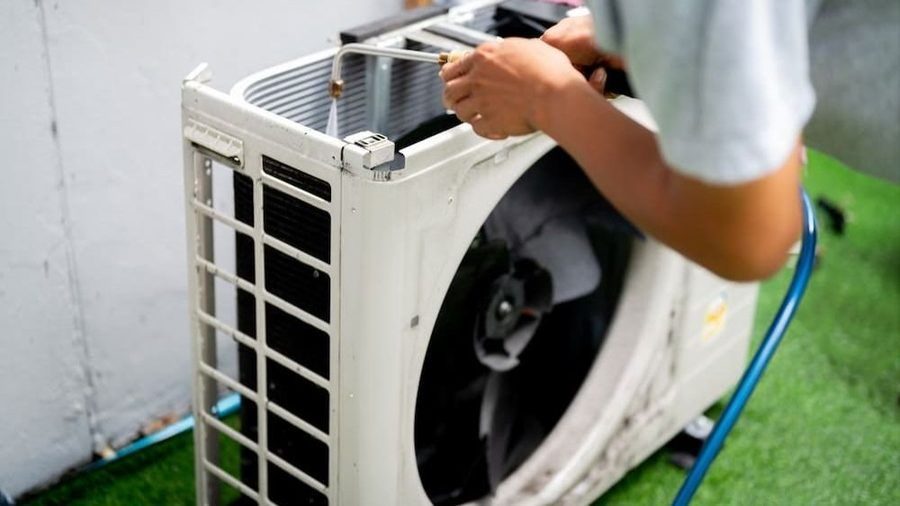
A modern heat pump can provide both heating and cooling for a Troy home, even when temperatures fall below freezing. The key is choosing equipment designed for cold-weather operation, sizing it correctly, and deciding whether the home needs auxiliary or dual-fuel backup heat for the coldest conditions.
In this guide, you will learn how heat pumps perform through Michigan winters and summers, what makes a cold-climate model different, how backup heat works, and which factors determine whether a heat pump is a good investment for your home. For Troy homeowners replacing an aging furnace, air conditioner, or both, a heat pump can be a practical year-round option when the system is designed around the house rather than chosen by equipment size alone.
Can a Heat Pump Handle Both Michigan Winters and Summers?
Yes. A properly selected heat pump can provide year-round comfort in Southeast Michigan.
During summer, the system operates much like a traditional central air conditioner. It removes heat from indoor air and transfers that heat outside. During winter, the process reverses, allowing the equipment to collect heat from outdoor air and move it into the home.
What matters most is whether the specific heat pump is designed for the conditions it will face.
For a Troy home, important factors include:
-
Low-temperature heating capacity
-
Cold-climate performance
-
Proper system sizing
-
Home insulation and air leakage
-
Ductwork condition
-
Electrical capacity
-
Backup-heating strategy
-
Summer cooling and humidity performance
A standard heat pump selected without considering Michigan’s winter temperatures may not perform as well as equipment specifically chosen for cold-climate operation.
How Does a Heat Pump Heat and Cool Your Home?
A heat pump moves heat instead of generating all of its heating energy directly.
During summer, refrigerant circulating through the system absorbs heat from inside your home and releases it outdoors. This is essentially the same cooling process used by a central air conditioner.
During winter, the heat pump reverses direction. Even cold outdoor air still contains usable heat energy. The system extracts some of that heat and transfers it indoors.
This is why a heat pump can continue producing heat when the outdoor temperature falls below freezing.
However, the available heating capacity can change as outdoor temperatures drop. That makes equipment selection especially important in Michigan, where a system must perform well during both mild fall weather and much colder winter conditions.
Do Heat Pumps Still Work When Temperatures Drop Below Freezing?
Yes. Modern heat pumps can operate below freezing, and cold-climate models are designed to perform better at low outdoor temperatures.
The misconception that heat pumps only work in mild climates often comes from older equipment that lost substantial heating capacity as temperatures dropped. Current technology has improved considerably, especially with variable-speed compressors and systems engineered for colder regions.
Still, homeowners should understand an important distinction: operating below freezing does not mean a heat pump performs exactly the same at every outdoor temperature.
As it gets colder:
-
Heating demand increases
-
Available outdoor heat decreases
-
The system may work harder
-
Heating capacity may change
-
Supplemental heat may become useful depending on the design
For Troy homeowners, the right question isn’t simply whether a heat pump works below freezing. It is whether the selected model can provide enough heat for the home’s load at local winter design conditions.
What Makes a Cold-Climate Heat Pump Different?
Cold-climate heat pumps are designed and tested to perform better at low outdoor temperatures.
They often use variable-speed or inverter-driven compressors that can adjust output rather than operating only at full capacity or completely off. That flexibility can help the system maintain comfort across a wider temperature range.
When comparing systems, homeowners should consider:
-
Low-temperature heating capacity
-
Cold-climate certification
-
Seasonal heating efficiency
-
Variable-speed operation
-
Cooling efficiency
-
Manufacturer performance data
-
Compatibility with backup heat
-
Proper sizing for the home
Do not assume every heat pump currently sold is equally suited to a Michigan winter.
A contractor should be able to explain how the proposed system performs as temperatures fall and how that performance compares with the home’s calculated heating requirements.
Does a Troy Heat Pump Need Backup Heat?
Not every heat pump installation needs the same backup strategy.
Some cold-climate systems may be designed to handle most or all of a home’s heating demand. Others use supplemental electric heat. Another common option is a dual-fuel system that pairs the heat pump with a gas furnace.
A dual-fuel setup typically uses the heat pump when it operates efficiently and switches to the furnace when the system controls determine that gas heat is more appropriate.
Backup heat may be worth considering based on:
-
The home’s heating load
-
Heat pump capacity at low temperatures
-
Existing natural gas service
-
Electricity and gas prices
-
Home insulation
-
Personal comfort preferences
-
Electrical capacity
A furnace isn’t automatically required just because the home is in Michigan. The decision should be based on the specific heat pump and how the entire system is designed.
How Efficient Is a Heat Pump During a Michigan Summer?
A heat pump can provide efficient central cooling in summer because it works much like an air conditioner in cooling mode.
For Troy homeowners, summer performance depends on factors such as:
-
Cooling efficiency
-
Equipment sizing
-
Airflow
-
Ductwork condition
-
Thermostat controls
-
Humidity removal
-
Insulation and air sealing
Variable-speed heat pumps can be especially useful for comfort because they may operate at lower output for longer periods instead of cycling between full power and off. Depending on the system and conditions, this can support steadier temperatures and better humidity management.
Proper sizing still matters. An oversized heat pump may cool the house quickly but cycle too often, which can reduce humidity control. An undersized system may struggle during the hottest weather.
The goal is balanced year-round performance, not simply choosing the largest unit available.
Will a Heat Pump Lower Your Heating and Cooling Costs?
It may, but lower energy use does not automatically guarantee a lower utility bill for every household.
Heat pumps are efficient because they move heat rather than relying entirely on resistance heating or fuel combustion. Actual operating cost, however, depends on what system the heat pump is replacing and what energy sources the home uses.
Important factors include:
-
Local electricity rates
-
Natural gas prices
-
Existing furnace efficiency
-
Existing AC efficiency
-
Heat pump efficiency
-
Backup-heat use
-
Thermostat settings
-
Home insulation
-
Air leakage
-
Equipment sizing
A homeowner replacing an inefficient older furnace and AC may see a different financial result from someone replacing relatively new, high-efficiency equipment.
That is why you should estimate operating costs based on the specific home and existing system, not on a broad claim that heat pumps always reduce bills.
Why Is Proper Heat Pump Sizing So Important in Michigan?
Sizing matters because one system must handle both winter heating and summer cooling.
A professional load calculation may consider:
-
Square footage
-
Insulation
-
Windows and doors
-
Air leakage
-
Home orientation
-
Ceiling height
-
Ductwork
-
Occupancy
-
Local design temperatures
-
Heating and cooling demand
Simply matching the old air conditioner’s capacity is not enough.
The system also needs to be evaluated for how much heating it can provide during low outdoor temperatures. At the same time, oversizing for winter can hurt summer performance if the unit cycles too quickly during the cooling season.
For Michigan homes, heat pump sizing balances winter capacity and summer comfort.
What Should You Check Before Switching to a Heat Pump?
A heat pump installation should include an evaluation of the home, not just the equipment being removed.
Before making the switch, consider:
-
Ductwork condition
-
Supply and return airflow
-
Insulation levels
-
Air leakage
-
Electrical panel capacity
-
Available breaker space
-
Thermostat compatibility
-
Outdoor-unit location
-
Existing furnace and AC condition
Home improvements can also influence heat pump performance. Air sealing and insulation reduce the amount of heating and cooling the house needs, which may make it easier to select equipment that performs efficiently year-round.
Electrical capacity is another consideration, particularly when moving toward an all-electric system or adding electric auxiliary heat.
The more accurately you evaluate the home beforehand, the easier it is to design a system around real operating conditions.
When Does a Heat Pump Make Sense Instead of Replacing Your Furnace and AC Separately?
A heat pump becomes especially attractive when homeowners are already preparing to replace one or both major HVAC systems.
It may be a strong option when:
-
The furnace and AC are both aging
-
The homeowner wants one system for heating and cooling
-
Energy efficiency is a priority
-
Cold-climate equipment matches the home’s needs
-
Electrical capacity supports the installation
-
A dual-fuel strategy is appealing
-
The homeowner plans to reduce reliance on traditional combustion heating
Repairing relatively new equipment may still make sense if the existing furnace and AC remain dependable.
The replacement decision should weigh the cost of maintaining two aging systems against installing equipment that provides both heating and cooling.
There is no universal winner between a furnace-and-AC combination and a heat pump. The better choice depends on the home, existing infrastructure, energy costs, and comfort priorities.
What Should an HVAC Contractor Evaluate Before Recommending a Heat Pump?
A heat pump recommendation should be based on more than product specifications.
A contractor should evaluate:
-
Heating load
-
Cooling load
-
Existing HVAC equipment
-
Ductwork
-
Airflow
-
Insulation and air leakage
-
Electrical capacity
-
Available fuel sources
-
Backup-heating options
-
Low-temperature equipment performance
-
Household comfort priorities
Homeowners should also ask how the proposed system performs in very cold weather and what happens when outdoor temperatures fall below the point where the heat pump can meet the home’s full heating load.
That conversation should happen before installation, not after the first cold snap.
Choose a Heat Pump Around Your Home, Not Just the Weather Forecast
Modern cold-climate heat pumps can be a practical option for Troy homeowners who want one system to provide efficient heating and cooling year-round. They can operate below freezing, provide central cooling during Michigan summers, and work with several backup-heating strategies when you need extra winter capacity.
The key is system design. Equipment selection, low-temperature performance, proper sizing, ductwork, insulation, electrical capacity, and backup heat all affect whether a heat pump performs well in a particular home.
Hoover Electric, Plumbing, Heating & Cooling helps Troy and Southeast Michigan homeowners evaluate heat pumps alongside furnaces, air conditioners, ductless systems, and other HVAC options. If you are considering a heat pump and want to know whether it can handle your home’s winter and summer needs, contact us today to schedule a professional HVAC evaluation.

When You Want It Done Right
Call Hoover!
Our electrical, plumbing, heating, & cooling professionals offer all the services you need under one roof.