We're Hiring — build your career with Hoover



Tackling Troy’s Hard Water: When to Consider a Whole-Home Water Filtration System
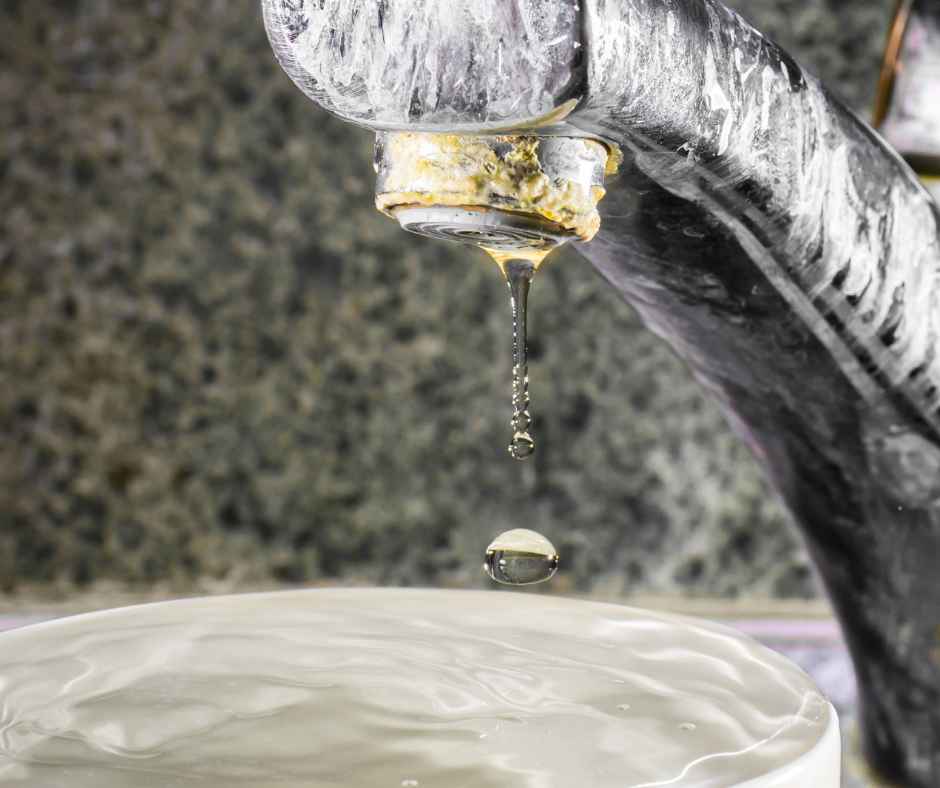
White buildup around faucets, cloudy spots on glassware, unpleasant tastes, or sediment in your water can all make you wonder whether your home needs better water treatment. The challenge is that not every water-quality problem comes from the same source, and choosing the wrong system can leave the real issue unresolved.
Hard water, sediment, chlorine-related taste or odor, iron, and other water-quality concerns may require different treatments. A whole-home filtration system can be a valuable solution, but it isn’t automatically the same as a water softener.
In this guide, we’ll explain the difference between hard water and other water-quality concerns, what whole-home filtration can address, when a softener may be the better choice, and why water testing should come before equipment selection.
What Is Hard Water and What Problems Can It Cause?
Hard water contains elevated levels of dissolved minerals, primarily calcium and magnesium. These minerals are not necessarily a health concern, but they can leave scale behind as water is heated or evaporates.
Over time, that buildup can become noticeable throughout the home. Hard water may contribute to:
- White or chalky deposits on faucets
- Scale on showerheads
- Mineral spotting on glassware
- Soap residue
- Water heater sediment
- Buildup inside some appliances
- Reduced flow through fixtures
Hardness is different from contamination. Water can be hard while still meeting drinking-water standards, so the right treatment depends on what you’re trying to improve.
Is a Whole-Home Water Filter the Same as a Water Softener?
No. Whole-home filtration and water softening address different types of water problems.
A water softener typically targets calcium and magnesium through ion exchange. By reducing those hardness minerals, it helps limit scale throughout the plumbing system.
A whole-home filter, on the other hand, is usually designed to reduce specific contaminants, particles, tastes, odors, or other water-quality concerns depending on the filter media.
In simple terms:
- Water softener: Targets hardness minerals
- Sediment filter: Targets dirt, sand, rust particles, and other debris
- Carbon filtration: Can reduce certain tastes, odors, and chlorine-related concerns
- Specialized filtration: May target iron or other specific water issues
The exact capabilities depend on the system. That is why homeowners shouldn’t assume one filter automatically solves every water-quality concern.
What Can a Whole-Home Water Filtration System Remove?
That depends on the filtration technology used. Different filter media target different substances.
A whole-home system may be designed to reduce:
- Sediment
- Rust particles
- Certain tastes
- Certain odors
- Chlorine-related issues
- Iron, with appropriate treatment
- Other specific contaminants
The important phrase is appropriate treatment. A basic sediment filter cannot perform the same job as carbon filtration, and neither automatically removes dissolved hardness minerals.
Before choosing equipment, homeowners should identify what is actually present in the water. Select a system based on the target problem rather than the broad label of “water filtration.”
What Are the Signs You May Need Whole-Home Water Filtration?
Water-quality issues often leave visible or noticeable clues. If the same problem appears throughout multiple fixtures, a whole-home solution may be worth considering.
Potential signs include:
- Visible sediment
- Rust-colored particles
- Unpleasant taste
- Persistent odors
- Staining around fixtures
- Discoloration
- Cloudy water
- Frequent filter buildup at individual faucets
One symptom does not always identify the cause. For example, discoloration could come from plumbing corrosion, sediment, or the water supply itself.
That is why you should choose whole-home filtration after identifying the source of the problem.
Can Whole-Home Filtration Fix Hard Water Scale?
Not always. Standard filtration generally does not remove dissolved calcium and magnesium, which are the minerals responsible for water hardness.
A sediment or carbon filter may improve other aspects of water quality while leaving hardness largely unchanged. If mineral scale is the main concern, a water softener or another hardness-treatment system may be more appropriate.
If you are seeing:
- White crust on faucets
- Scale on showerheads
- Water heater sediment
- Mineral spots on dishes
- Repeated appliance scale
Hardness may be playing a bigger role than filtration alone can solve.
The right treatment may involve softening, filtration, or both.
How Can Hard Water Affect Plumbing and Appliances?
Hard water can contribute to mineral scale throughout the plumbing system. Over time, that buildup may affect fixtures, water heaters, and appliances that regularly use or heat water.
Potential effects include:
- Reduced fixture flow
- Water heater sediment
- Scale inside heating components
- More frequent cleaning
- Buildup on valves and fittings
- Deposits inside water-using appliances
Hard water does not guarantee plumbing failure or appliance damage. It can, however, increase maintenance needs and contribute to performance issues over time.
When Should You Consider a Water Softener Instead?
A water softener may be the better choice when confirmed hardness is the primary problem. The strongest indicators are recurring mineral scale and symptoms that consistently point toward calcium and magnesium buildup.
Consider softening when:
- Scale keeps returning
- Fixtures develop heavy mineral deposits
- Water heater sediment is a recurring problem
- Soap performance is poor
- Appliances accumulate scale
- Hardness has been confirmed through testing
A softener is designed specifically to address hardness. It should not be expected to solve every taste, odor, sediment, or contamination concern.
Can You Use a Water Filter and Water Softener Together?
Yes. Some homes may benefit from both systems because they are addressing different problems.
For example, a home might have significant hardness along with sediment or taste concerns. In that case, you can combine filtration and softening as part of a broader treatment strategy.
A combined system may include:
- Sediment filtration
- Carbon filtration
- Water softening
- Specialized treatment where needed
The order of those systems matters because one treatment stage can affect the performance of another. Professional design helps make sure the system is configured correctly.
Why Is Water Testing Important Before Choosing a Treatment System?
Water testing helps identify the problem before selecting equipment. Without testing, homeowners may spend money on filtration that does not address the issue they are experiencing.
Testing can help evaluate:
- Hardness
- Iron
- Sediment
- pH
- Other minerals
- Specific contaminants
- Overall water characteristics
The exact testing approach depends on whether the home uses municipal or well water. Reviewing utility water-quality information can also provide useful background, but individual plumbing conditions can still affect what reaches the tap.
The best treatment recommendation should be based on data, not guesswork.
What Should You Look for in a Whole-Home Water Filtration System?
A good filtration system should match both the water problem and the household’s needs. Capacity and flow rate matter just as much as the type of filter media.
Consider:
- Target contaminant
- Filter media
- Household water usage
- Flow rate
- System capacity
- Pressure impact
- Filter replacement needs
- Maintenance requirements
- Certification
- Available installation space
- Long-term operating cost
A system that is too small can restrict flow or require constant maintenance. One that targets the wrong contaminant may provide little benefit.
How Much Maintenance Does Whole-Home Water Filtration Need?
Every filtration system requires some level of maintenance. The exact schedule depends on the media type, household water usage, water quality, and manufacturer recommendations.
Maintenance may involve:
- Cartridge replacement
- Media replacement
- Cleaning certain components
- Monitoring water pressure
- Checking for leaks
- Inspecting bypass valves
- Testing system performance
Homeowners should avoid relying on one universal replacement interval. A system exposed to heavy sediment may require more frequent service than one treating relatively clean municipal water.
When Is Professional Water Treatment Installation Worth It?
Professional installation matters most when the system connects directly to the main water supply. Flow rate, pressure, plumbing layout, available space, drainage needs, and bypass configuration can all affect performance.
A professional can help with:
- System sizing
- Filter selection
- Plumbing connections
- Bypass setup
- Drain requirements where applicable
- Pressure evaluation
- Placement
- Maintenance planning
Proper installation also helps avoid problems such as reduced water pressure, leaks, or equipment that cannot keep up with household demand.
Improve Your Home’s Water Quality With Hoover Electric Plumbing Heating & Cooling
Hard water, sediment, taste, odor, and staining are not all the same problem, so they shouldn’t all be treated with the same equipment. The best water-treatment strategy starts with identifying what is actually in the water and how it affects the home.
Hoover Electric Plumbing Heating & Cooling can help evaluate your water-quality concerns, determine whether filtration, softening, or a combination of systems makes sense, and recommend a whole-home solution based on your needs. If water-quality problems are becoming a recurring issue in your Troy home, contact us today to schedule professional water treatment service.


When You Want It Done Right
Call Hoover!
Our electrical, plumbing, heating, & cooling professionals offer all the services you need under one roof.