We're Hiring — build your career with Hoover


How to Prevent Frozen Pipes & Water Heater Failure During Michigan Cold Snaps
Michigan winters can be unpredictable, with freezing temperatures, heavy snowfall, and sudden cold snaps that put additional strain on household plumbing systems. For homeowners throughout Wayne, Oakland, and Macomb counties, prolonged periods of extreme cold can increase the risk of frozen pipes, plumbing leaks, and water heater problems. When temperatures drop significantly, even a minor plumbing issue can quickly become a major inconvenience.
Preparing your home’s plumbing before the next cold snap can help prevent expensive repairs and unexpected disruptions. From insulating vulnerable pipes to maintaining your water heater, a few preventative steps can make a meaningful difference throughout the winter.
In this guide, we’ll explain how to prevent frozen pipes in Michigan, why water heaters may struggle during cold weather, and what homeowners can do to keep their plumbing systems functioning reliably when temperatures fall.
Why Are Michigan Homes Vulnerable to Frozen Pipes and Water Heater Problems?
Michigan’s winter weather creates two distinct challenges for household plumbing. Water supply pipes can freeze when exposed to sufficiently cold temperatures, while water heaters may experience increased demand as incoming water temperatures decrease.
When water freezes inside a pipe, an ice blockage can form and create pressure within the plumbing system. This pressure can cause pipes to crack or rupture, sometimes resulting in significant water damage when the ice thaws and water begins flowing again.
Water heaters face a different challenge during winter. Colder incoming water requires more energy and potentially longer heating cycles to reach the desired temperature, particularly when multiple household fixtures are being used.
Homes throughout Southeast Michigan have different plumbing configurations, insulation levels, and heating conditions. Understanding which areas of your home are vulnerable can help you prepare before freezing temperatures arrive.
Which Pipes Are Most Likely to Freeze During a Michigan Cold Snap?
Not every water pipe in your home faces the same freezing risk. Pipes located in poorly insulated or inadequately heated spaces are generally more vulnerable than those surrounded by consistently warm indoor air.
During prolonged Michigan cold snaps, homeowners should pay particular attention to these locations:
-
Exterior walls: Water lines inside poorly insulated walls may be exposed to colder temperatures.
-
Unheated garages: Pipes routed through garages can experience significant temperature drops.
-
Crawl spaces: Exposed plumbing may lose heat quickly when insulation or air sealing is inadequate.
-
Unfinished basements: Pipes near drafty windows, rim joists, or exterior openings may be vulnerable.
-
Outdoor faucets: Hose bibbs and connected supply lines can freeze when they aren’t properly winterized.
-
Under-sink cabinets: Plumbing against exterior walls may receive less warm airflow when cabinet doors remain closed.
-
Utility rooms: Pipes in poorly heated areas can be exposed during extended periods of freezing weather.
Established neighborhoods throughout Detroit and surrounding Oakland, Wayne, and Macomb County communities include homes with plumbing systems of varying ages and configurations. Some older properties may have water lines installed in locations that provide less protection against extreme cold.
Identifying vulnerable plumbing before winter temperatures drop gives homeowners an opportunity to improve insulation and address potential exposure.
How Can You Prevent Frozen Pipes Before Temperatures Drop?
Preventing frozen pipes starts with keeping vulnerable plumbing warm enough to avoid ice formation. While water freezes at 32°F, household pipes don’t automatically freeze whenever outdoor temperatures reach that point.
The actual risk depends on insulation, airflow, indoor heating, pipe location, and how long freezing conditions persist.
Use this Michigan winter plumbing checklist to help protect your pipes:
-
Insulate exposed water lines: Install appropriate pipe insulation in vulnerable areas such as crawl spaces, garages, and unfinished basements.
-
Maintain consistent indoor heating: Keep your home adequately heated, including overnight and when you’re away.
-
Open cabinet doors when appropriate: Allow warm indoor air to circulate around pipes located along exterior walls.
-
Seal drafts: Address gaps around pipe penetrations, basement windows, and other openings that allow cold air to reach plumbing.
-
Disconnect garden hoses: Remove hoses before freezing weather and properly winterize outdoor faucets.
-
Inspect unheated spaces: Check garages, utility rooms, and crawl spaces for exposed plumbing.
-
Locate your main water shutoff valve: Make sure household members know how to stop the water supply if a pipe bursts.
-
Consider limited faucet dripping: During severe cold, a small drip from a vulnerable faucet may provide additional protection when recommended by local guidance.
-
Prepare before traveling: Maintain adequate heat and consider additional precautions when leaving your home unattended.
Homeowners should remember that dripping faucets isn’t a substitute for proper insulation or adequate heating. Similarly, maintaining a comfortable thermostat setting doesn’t guarantee that pipes inside poorly insulated exterior walls will remain warm enough.
If your home has experienced frozen pipes before, consider having the affected plumbing evaluated before another cold snap arrives.
How Does Extreme Cold Affect Your Water Heater?
Frozen pipes aren’t the only plumbing concern during Michigan winters. Water heaters often work harder during colder months because incoming water temperatures are lower and household hot water demand may increase.
For example, a water heater must supply more heat to raise colder incoming water to the same desired temperature. Depending on the system’s capacity and heating method, this can result in longer recovery times between showers or other hot water activities.
Several factors can affect winter water heater performance:
-
Colder incoming water: Lower supply temperatures increase the amount of heating required.
-
Increased household demand: Additional showers, laundry, and dishwashing can use stored hot water more quickly.
-
Sediment accumulation: Mineral deposits may reduce efficiency or contribute to performance problems in certain systems.
-
Aging components: Worn heating elements, burners, or controls may struggle to maintain consistent operation.
-
Inadequate capacity: An undersized water heater may have difficulty meeting peak household demand.
-
Heat loss: Poorly insulated hot water lines can lose heat as water travels to fixtures.
These conditions don’t necessarily mean your water heater is failing. However, colder weather can make existing equipment problems or capacity limitations more noticeable.
If your hot water consistently runs out faster than expected, professional evaluation can help determine whether maintenance, repair, or a system upgrade is appropriate.
What Water Heater Maintenance Should You Complete Before a Cold Snap?
Routine water heater maintenance can help identify developing problems before winter demand increases. Whether your home uses a traditional tank water heater or a tankless system, following manufacturer recommendations is important for maintaining reliable performance.
Consider these water heater maintenance steps before Michigan’s coldest weather arrives:
-
Check the temperature setting: Approximately 120°F is commonly recommended for many households, although individual needs and manufacturer instructions may vary.
-
Inspect for visible leaks: Look for moisture around the tank, valves, and accessible plumbing connections.
-
Watch for corrosion: Rust or deterioration around equipment may indicate developing problems.
-
Listen for unusual noises: Rumbling, popping, or other unfamiliar sounds can suggest sediment accumulation or equipment concerns.
-
Review sediment maintenance: Tank flushing or other maintenance may be appropriate based on manufacturer guidance and equipment condition.
-
Monitor hot water consistency: Pay attention to fluctuating temperatures or longer recovery times.
-
Inspect exposed hot water pipes: Appropriate insulation may help reduce heat loss.
-
Schedule professional maintenance: A qualified technician can evaluate system operation, components, and overall condition.
Avoid increasing your water heater temperature excessively to compensate for winter hot water shortages. Higher temperatures can increase scalding risks and may not address the underlying performance problem.
Homeowners should also avoid attempting unfamiliar electrical, gas, or pressure-related water heater repairs. Professional service is the safer option when equipment isn’t operating as expected.
What Are the Warning Signs of Frozen Pipes or Water Heater Failure?
Frozen pipes and water heater problems can sometimes produce similar symptoms, particularly when homeowners experience reduced water flow or inconsistent hot water. Understanding the differences can help identify which part of the plumbing system may need attention.
Possible warning signs of frozen pipes include:
-
Little or no water coming from a faucet.
-
Unusually weak water pressure at specific fixtures.
-
Visible frost on exposed water lines.
-
Unusual sounds from affected plumbing.
-
Water leaks appearing as frozen pipes begin to thaw.
Possible warning signs of water heater problems include:
-
Hot water running out faster than usual.
-
Inconsistent water temperatures.
-
Rumbling, popping, or other unusual equipment noises.
-
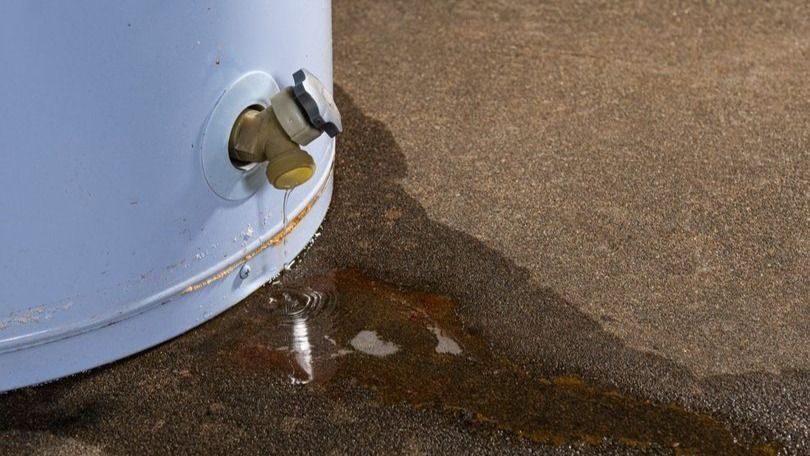
Water collecting around the water heater.
-
Discolored hot water.
-
No hot water despite normal cold water flow.
These symptoms can have multiple causes. For example, weak water flow may result from a frozen supply line, while a lack of hot water throughout the home may indicate a water heater issue.
If several fixtures are affected or the cause isn’t clear, professional plumbing diagnosis can help identify the problem before additional damage occurs.
What Should You Do if Your Pipes Freeze or Your Water Heater Stops Working?
When plumbing problems develop during a Michigan cold snap, responding quickly and safely can help reduce the risk of further damage. However, attempting unsafe repairs can make an already stressful situation more dangerous.
If you suspect frozen pipes:
-
Check affected fixtures: Determine whether water flow is reduced or completely blocked.
-
Look for visible leaks: Inspect accessible plumbing without disturbing damaged pipes.
-
Shut off the water if necessary: If a pipe has burst or is leaking, turn off the main water supply when safe.
-
Avoid open flames: Never use torches or other high-temperature devices to thaw frozen plumbing.
-
Contact a professional: Seek help when the frozen section is inaccessible, damage is suspected, or water flow doesn’t return.
If your water heater stops producing hot water:
-
Check the scope of the problem: Determine whether one fixture or the entire home is affected.
-
Look for visible leaks: Inspect accessible areas without approaching unsafe electrical equipment.
-
Avoid unfamiliar repairs: Don’t attempt gas, electrical, or pressure-related repairs without appropriate qualifications.
-
Follow manufacturer guidance: Review applicable safety instructions for your equipment.
-
Schedule professional service: Persistent temperature problems or equipment failures should be evaluated.
If you suspect a gas leak, leave the affected area and contact your gas utility or emergency services from a safe location. Never operate electrical switches or attempt to restart gas equipment when a leak may be present.
Prepare Your Michigan Home for Winter With Hoover
Michigan cold snaps can create serious plumbing challenges, but preventative maintenance can help reduce the risk of frozen pipes, water heater problems, and unexpected water damage. Insulating vulnerable plumbing, maintaining indoor heat, checking your water heater, and recognizing warning signs early are important steps toward protecting your home.
At Hoover Electric, Plumbing, Heating & Cooling, we help homeowners throughout Southeast Michigan address plumbing concerns, frozen pipes, water heater problems, and other winter-related issues. Whether you’re preparing for another stretch of freezing temperatures or dealing with inconsistent hot water, identifying potential problems early can help prevent larger disruptions.
If you’re concerned about frozen pipes, water heater performance, or your home’s winter plumbing readiness, contact Hoover Electric, Plumbing, Heating & Cooling today. Our team can help evaluate your plumbing system and recommend appropriate maintenance or repairs to keep your home better prepared for Michigan’s coldest weather.

When You Want It Done Right
Call Hoover!
Our electrical, plumbing, heating, & cooling professionals offer all the services you need under one roof.