We're Hiring — build your career with Hoover



Why Southeast Michigan’s Clay Soil Is Destroying Sewer Lines in Older Neighborhoods
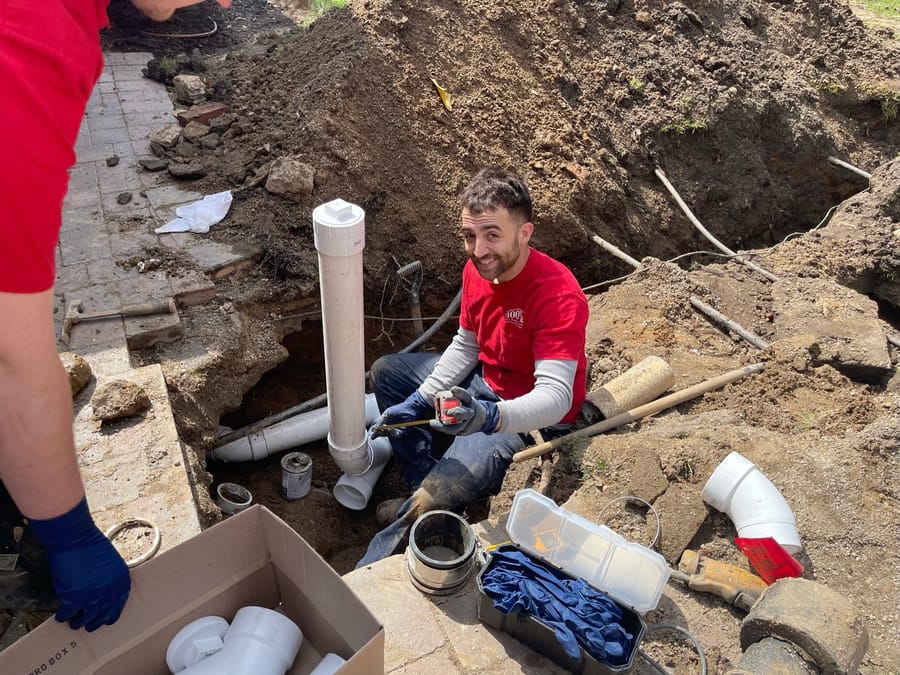
A sewer line crack rarely happens overnight.
In many cases, the damage starts years earlier as Southeast Michigan’s clay-heavy soil expands, contracts, and shifts beneath aging sewer pipes. Homeowners often don’t realize anything is wrong until drains start slowing down, toilets begin gurgling, or sewage backs up into the basement.
At Hoover Electric, Plumbing, Heating & Cooling, we’ve inspected sewer lines throughout Troy, Sterling Heights, Clinton Township, Shelby Township, Warren, and other communities across Macomb and Oakland Counties. One pattern appears again and again: older sewer systems are being damaged by a combination of shifting clay soil and invasive tree roots.
For homeowners dealing with a sewer backup in Sterling Heights caused by clay soil or recurring sewer problems in a Macomb County older home, understanding these local conditions can help explain why the same issues keep returning.
The Hidden Problem Beneath Southeast Michigan Homes
Many parts of Southeast Michigan sit on dense clay soil. Unlike sandy soil that drains water easily, clay absorbs and holds moisture.
When periods of heavy rain arrive in the spring, the soil swells. During hot summer weather and dry conditions, it shrinks. Winter freeze-thaw cycles create even more movement underground.
That constant expansion and contraction places stress on buried sewer pipes year after year.
Over time, homeowners can experience:
- Cracked sewer lines
- Separated pipe joints
- Pipe misalignment
- Settling and sagging sections
- Recurring blockages
- Sewer backups
The problem is especially common in neighborhoods built between the 1950s and 1980s, where many sewer systems are approaching the end of their expected service life.
Why Older Neighborhoods Are More Vulnerable
Many Southeast Michigan communities experienced rapid residential growth during the post-war housing boom. Thousands of homes were built using sewer materials and installation methods that have now been underground for decades.
As clay soil continues to move around those aging pipes, small defects become larger problems.
A pipe joint that separates by only a fraction of an inch can allow groundwater to enter. That same opening can attract tree roots. Eventually, the pipe begins collecting debris, restricting flow and creating recurring drainage problems throughout the home.
The result is a sewer system that may appear functional for years before suddenly failing.
Sewer Bellies: One of the Most Common Problems We Find
One of the most frequent issues discovered during sewer camera inspections is what’s known as a sewer belly.
A sewer belly occurs when part of the pipe settles lower than the surrounding sections. Instead of maintaining a consistent downward slope, the pipe develops a dip that traps water and waste.
These low spots often form when shifting clay soil allows portions of the sewer line to settle unevenly.
Homeowners may notice:
- Slow drains throughout the house
- Frequent drain cleaning appointments
- Recurring backups that keep returning
- Gurgling toilets
- Basement floor drain issues
Because the blockage is caused by the shape of the pipe itself, traditional drain cleaning typically provides only temporary relief.
Tree Roots Are Making the Situation Worse
Clay soil may start the problem, but tree roots often accelerate the damage.
Many older neighborhoods throughout Troy, Sterling Heights, Clinton Township, and Warren feature mature oak, maple, willow, and silver maple trees. These species develop extensive root systems that actively search for moisture sources underground.
Even the smallest crack or separated joint can attract roots.
Once roots enter a sewer line, they continue growing inside the pipe where moisture and nutrients are readily available.
Over time, root intrusion can:
- Restrict wastewater flow
- Trap toilet paper and debris
- Widen existing cracks
- Force pipe joints farther apart
- Create complete blockages
We’ve inspected sewer lines where roots have filled entire sections of pipe, leaving only a small opening for wastewater to pass through.
Neighborhoods Where We Frequently See Sewer Line Damage
While sewer issues can occur anywhere, certain Southeast Michigan neighborhoods experience higher rates of sewer line deterioration because of their soil conditions, mature landscaping, and aging infrastructure.
Northfield Hills, Troy
Many homes in Northfield Hills were built during a period when sewer materials now reaching advanced age were commonly installed. Combined with mature tree growth and decades of soil movement, sewer line shifting and root intrusion are common findings.
Communities Near the Clinton River Corridor
Neighborhoods located near portions of the Clinton River often experience changing groundwater conditions that can contribute to soil movement around buried utilities.
Areas that frequently experience sewer line concerns include portions of:
- Clinton Township
- Sterling Heights
- Mount Clemens
- Fraser
- Harrison Township
Older Macomb County Subdivisions
Many subdivisions built throughout Macomb County during the 1950s, 1960s, and 1970s now contain sewer systems that have been exposed to decades of ground movement and root intrusion.
Communities where homeowners commonly experience sewer problems include:
- Sterling Heights
- Warren
- Clinton Township
- Shelby Township
- Roseville
- Fraser
- Eastpointe
Warning Signs Your Sewer Line May Be Failing
Most sewer systems provide warning signs before a major backup occurs.
Common indicators include:
- Multiple drains slowing down at the same time
- Frequent drain clogs
- Gurgling sounds from toilets
- Sewer odors indoors or outdoors
- Wet spots in the yard
- Unusually green grass above the sewer line
- Basement drain backups
- Water backing up into tubs or showers
If several of these symptoms are occurring together, the issue may be located in the main sewer line rather than an individual fixture.
The Importance of a Sewer Camera Inspection
The only way to know exactly what’s happening inside a sewer line is to inspect it.
Modern sewer cameras allow technicians to identify problems without unnecessary excavation.
A camera inspection can reveal:
- Root intrusion
- Cracked pipes
- Offset joints
- Sewer bellies
- Pipe collapses
- Corrosion
- Foreign obstructions
Instead of guessing, homeowners can see the condition of the sewer line and understand exactly what repairs may be needed.
Local Experience Matters
Sewer systems in Southeast Michigan face challenges that homeowners in other parts of the country simply don’t encounter to the same degree. Clay soil movement, freeze-thaw cycles, mature tree growth, and aging infrastructure create a unique combination of conditions that require local expertise.
At Hoover Electric, Plumbing, Heating & Cooling, we’ve inspected sewer lines throughout Troy, Sterling Heights, Clinton Township, Shelby Township, Warren, and surrounding communities. We understand the patterns that lead to recurring backups because we’ve seen them firsthand in hundreds of homes across the region.
If you’re experiencing recurring drain issues, suspect a sewer line crack, or have already dealt with a sewer backup, a professional sewer inspection can identify the problem before it becomes a major repair.


When You Want It Done Right
Call Hoover!
Our electrical, plumbing, heating, & cooling professionals offer all the services you need under one roof.