Proudly Serving Southeast Michigan

The Smart Thermostat Setup & Winter Energy Saver Guide for Troy Homeowners
Winter energy bills can climb quickly for homeowners in Troy, especially when heating systems run for long hours to keep homes comfortable. Smart thermostats have become a popular solution for managing indoor temperatures more efficiently, but many homeowners do not realize that proper setup plays a major role in how much energy they actually save. Without the right configuration, even the best technology may fall short of its potential.
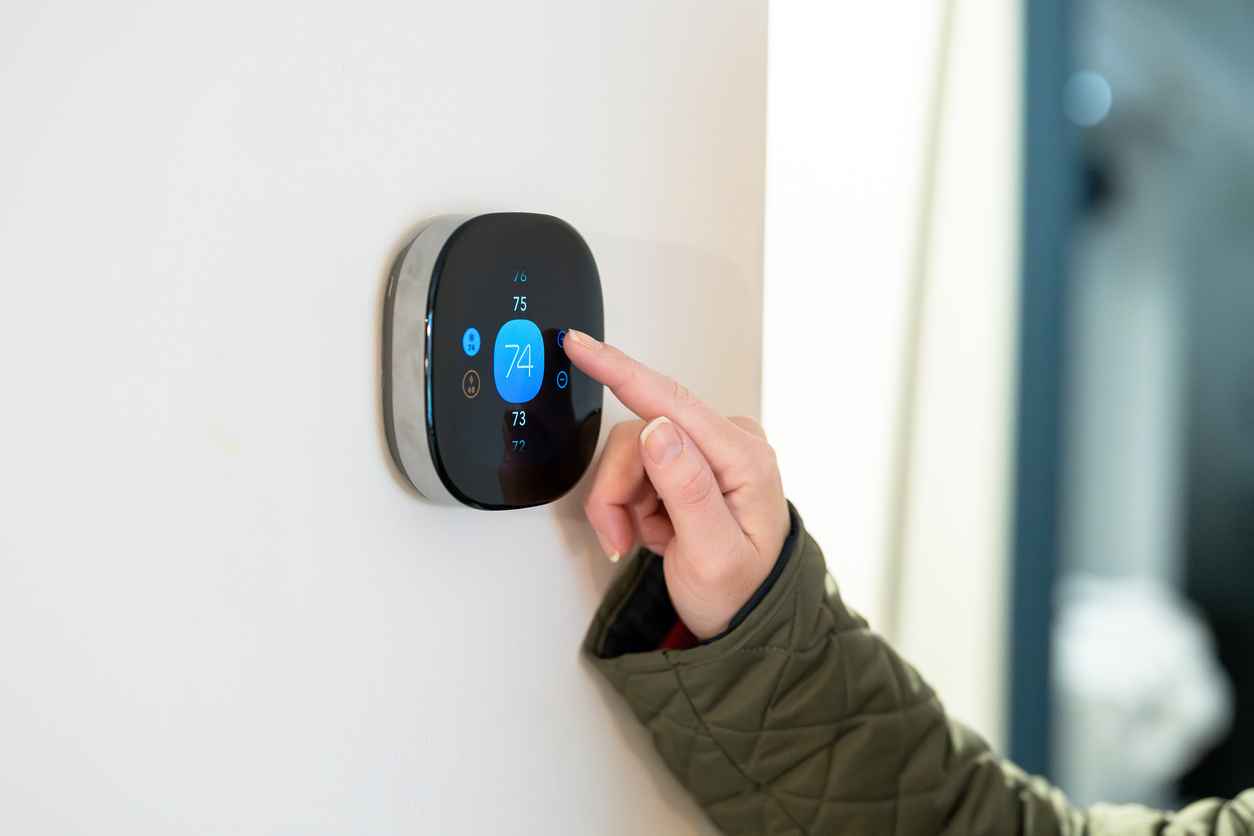
A smart thermostat does more than adjust temperatures automatically. When set up correctly, it helps balance comfort, efficiency, and energy use throughout the winter season. Understanding how smart thermostats work and how to optimize them for cold weather can help Troy homeowners reduce energy waste, maintain consistent comfort, and get the most value from their heating system.
What a Smart Thermostat Does and How It Works
Smart thermostats are designed to manage heating more efficiently by learning household habits and adjusting temperatures automatically. Unlike traditional thermostats, they use sensors, scheduling, and connectivity to maintain comfort while reducing unnecessary energy use.
Key Features That Improve Energy Efficiency
Smart thermostats include features that help optimize heating during the winter months.
Common efficiency features include:
- Learning schedules based on daily routines
- Remote access through mobile apps
- Automatic adjustments when the home is empty
- Energy usage tracking and reports
How Smart Thermostats Differ From Traditional Thermostats
Traditional thermostats rely on manual adjustments, which can lead to inconsistent temperatures and wasted energy. Smart thermostats provide precise control and adapt to changing conditions, helping maintain steady comfort without constant adjustments.
Why Proper Smart Thermostat Setup Matters in Winter
Installing a smart thermostat is only the first step toward saving energy. Proper setup ensures the system works with your heating equipment and daily routine, which is especially important during Troy’s cold winter months.
Avoiding Common Setup Mistakes
Many homeowners miss out on energy savings because of simple setup errors. Incorrect schedules or poorly placed sensors can cause the heating system to run more often than needed.
Common setup mistakes include:
- Setting temperatures too high during occupied hours
- Not adjusting schedules for weekends or work from home days
- Placing sensors near drafts or heat sources
How Setup Impacts Comfort and Energy Bills
When a smart thermostat is configured correctly, it reduces unnecessary heating cycles while keeping indoor temperatures consistent. This balance helps lower energy bills without sacrificing comfort and prevents strain on the heating system during peak winter use.
Ideal Winter Temperature Settings for Troy Homes
Choosing the right temperature settings helps maximize energy savings while keeping your home comfortable during the winter. Smart thermostats make it easier to fine tune settings based on daily routines and outdoor conditions common in Troy.
Recommended Daytime and Nighttime Settings
Setting lower temperatures when you are asleep or away from home can lead to noticeable energy savings. Smart thermostats automatically adjust temperatures so you do not have to remember to change them manually.
Common winter recommendations include:
- Slightly warmer settings during occupied daytime hours
- Lower temperatures at night while sleeping
- Reduced settings during work or school hours
Adjustments for Extreme Cold Weather
During especially cold periods, maintaining a consistent indoor temperature helps prevent your heating system from working overtime. Avoid large temperature swings, as rapid increases can cause the system to run inefficiently and increase energy use.
How Smart Thermostats Work With Heating Systems
Smart thermostats are designed to work with a wide range of heating systems, but proper compatibility and setup are essential for reliable performance. When paired correctly, they help heating systems operate more efficiently throughout the winter season.
Compatibility With Common Heating Systems
Most smart thermostats work well with standard residential heating systems. However, wiring and system type play an important role in how smoothly the thermostat functions.
Smart thermostats are commonly compatible with:
- Gas and electric furnaces
- Heat pump systems
- Dual fuel heating setups
Confirming compatibility helps prevent performance issues and ensures accurate temperature control.
When Professional Installation Is Recommended
Some heating systems require specific wiring or configuration that can be challenging for homeowners. Professional installation helps ensure the thermostat is wired correctly, sensors are placed properly, and settings are optimized for winter efficiency.
Proper installation can also prevent short cycling, uneven heating, and unnecessary energy use.
Balance Comfort and Energy Savings this Winter
Smart thermostats can be a powerful tool for managing winter energy use, but their effectiveness depends on proper setup and thoughtful use. When configured correctly, they help maintain consistent comfort, reduce unnecessary heating cycles, and lower energy bills during Troy’s colder months. Understanding how settings, schedules, and system compatibility work together makes a noticeable difference in performance.
Taking the time to optimize your smart thermostat and heating system helps protect comfort and efficiency all winter long. Professional guidance can ensure everything is working as intended and adjusted for your home’s specific needs.
If you want help getting the most out of your smart thermostat this winter, Hoover Electric can provide expert support and reliable solutions. Contact us today!


When You Want It Done Right
Call Hoover!
Our electrical, plumbing, heating, & cooling professionals offer all the services you need under one roof.