We're Hiring — build your career with Hoover



The 55-Degree Rule: When is it Safe to Test Your AC in Michigan?

As the snow finally begins to disappear from our yards in Southeast Michigan, many homeowners feel a sudden urge to get ahead of the summer heat. The first sunny afternoon in April often inspires people to switch their thermostats from “Heat” to “Cool” just to make sure the air conditioner still works. While this proactive mindset is exactly what we encourage at Hoover Electric, Plumbing, Heating & Cooling, there is a technical catch that many people don’t realize. Turning on your AC too early, specifically when it is still chilly outside, can cause immediate and expensive damage to your system.
In the HVAC industry, we often refer to this as the “55-Degree Rule.” Because of the way refrigerant and oil behave in cold weather, Michigan’s unpredictable spring temperature swings can turn a simple system test into a mechanical disaster. At Hoover, we have been serving Oakland, Macomb, and Wayne Counties since 1980, and we want to ensure that your first “test run” of the season doesn’t lead to a frantic emergency call. This guide explains the science behind the 55-degree threshold and how you can safely prepare your home for the 2026 cooling season.
The Science of the 55-Degree Rule
Air conditioners are sophisticated machines designed to move heat, not create cold. They rely on a delicate balance of pressure, refrigerant, and lubrication to function. When the outdoor temperature drops below 55°F, the physical properties of these components change in ways that the system isn’t built to handle.
- Refrigerant Migration: In cold weather, refrigerant tends to migrate toward the coldest part of the system, which is the outdoor compressor. It can actually turn back into a liquid state while sitting idle.
- Liquid Slugging: If you turn on the AC when liquid refrigerant is in the compressor, it can cause “slugging.” Since liquids don’t compress like gases do, this can shatter the internal valves and pistons of your compressor instantly.
- Thickened Lubricants: The oil that keeps your compressor running smoothly thickens in the cold. Starting the unit when the oil is like molasses leads to “dry starts,” which cause significant metal-on-metal wear and tear.
For these reasons, 55°F is the absolute minimum temperature for operation, but most manufacturers and the experts at Hoover recommend waiting until it has been at least 60°F for three consecutive days before pushing that button.
Why Michigan’s Spring is Especially Risky
Michigan is famous for having “four seasons in one week.” It isn’t uncommon to have a 65-degree Monday followed by a frost on Wednesday. This volatility is exactly why homeowners need to be cautious.
The Danger of the “Sunny Day” Trap
- Solar Gain: Your house might feel warm because the sun is hitting your windows, prompting you to turn on the AC. However, if the air outside is still 50°F, your outdoor unit is at risk.
- Residual Ice: Even if the air temperature has reached 55°F, there may still be ice or frost deep inside the condenser coils from the previous night.
- Thermal Mass: Large units take time to warm up. Even if the air hit 60°F an hour ago, the heavy metal components and the oil inside your compressor might still be at a much lower temperature.
Safe Steps to Take Before You Test Your AC
While you wait for the thermometer to climb, there are several “safe” maintenance tasks you can perform to ensure your system is ready for the first real heatwave of 2026.
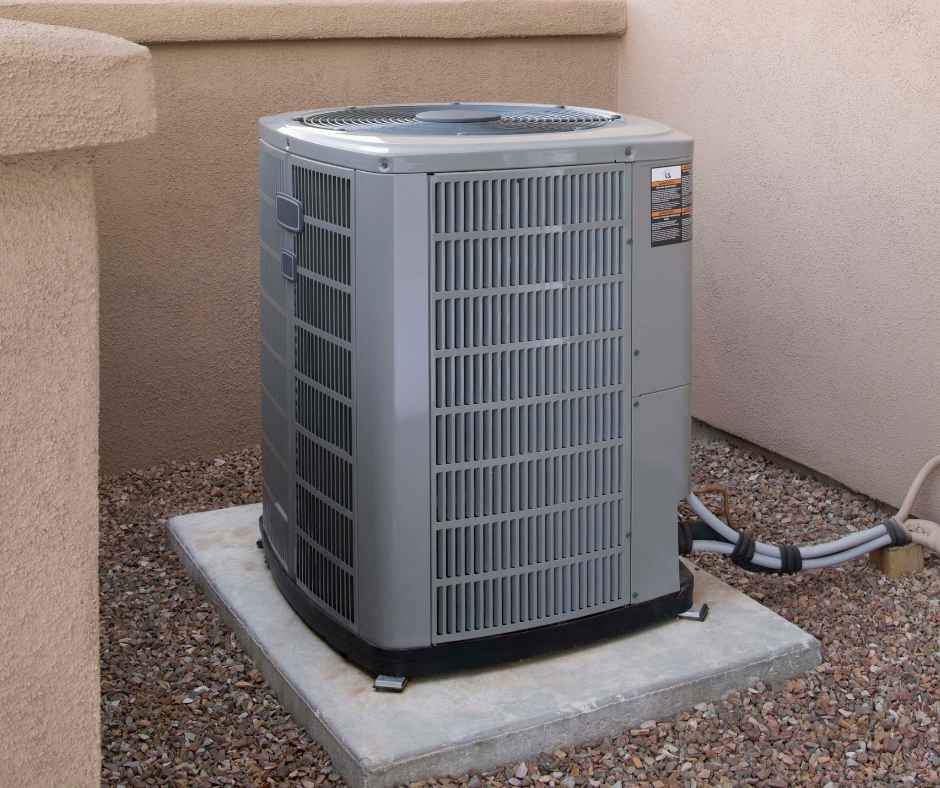
- Clear the Debris: Michigan winters often leave a mess of wet leaves, twigs, and pine needles around your outdoor unit. Clear at least two feet of space around the condenser to ensure proper airflow.
- Remove the Cover: If you used a winter cover, remove it completely before testing. Running a covered AC, even for a minute, can cause the system to overheat and fail.
- Change the Filter: A dirty furnace filter is the number one cause of frozen evaporator coils. Start the spring with a fresh, high-quality filter to ensure your indoor unit can “breathe.”
- Check the Vents: Make sure no furniture or rugs have been moved over your supply or return vents during the winter.
What to Look for During a Safe Test Run
Once the weather has stabilized and it is safely above 60°F, you can perform your first test. Set your thermostat to a few degrees cooler than the current room temperature and observe the system’s behavior.
Signs of a Healthy System
- Consistent Airflow: You should feel a steady stream of air from every vent in the house within a few minutes.
- The “Delta T”: In a healthy system, the air coming out of your vents should be about 15 to 20 degrees cooler than the air entering the return vent.
- Normal Sounds: You should hear the outdoor fan kick on without any grinding, squealing, or loud banging.
If you hear unusual noises or if the air remains lukewarm after fifteen minutes of operation, shut the system off immediately. These are signs of a mechanical issue or a refrigerant leak that requires professional attention.
Why a Professional Spring Tune-Up is Essential
A DIY test run is a great start, but it cannot replace the precision of a professional inspection. At Hoover Electric, Plumbing, Heating & Cooling, our technicians perform specialized diagnostics that go far beyond what a homeowner can see or hear.
The Hoover Multi-Point Inspection
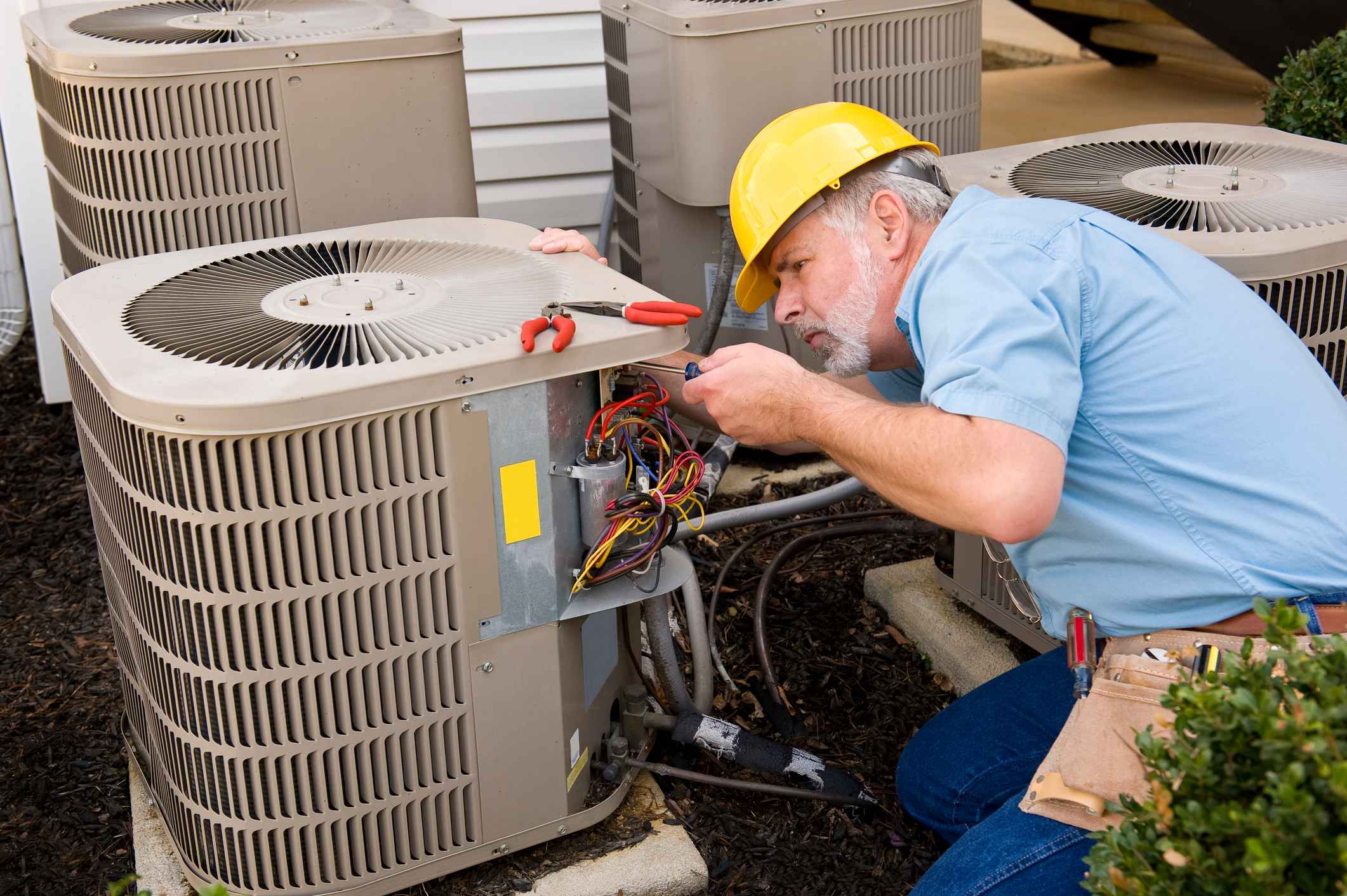
- Electrical Tightening: We check all capacitors and contactors. Michigan’s temperature swings can cause electrical connections to loosen, which is a leading cause of system shorts.
- Refrigerant Pressure Check: We verify that your system has the exact charge required. An overcharged or undercharged system will run inefficiently and die years sooner.
- Drain Line Clearing: We flush the condensate drain line to prevent the algae and sludge buildup that causes basement flooding during humid Michigan summers.
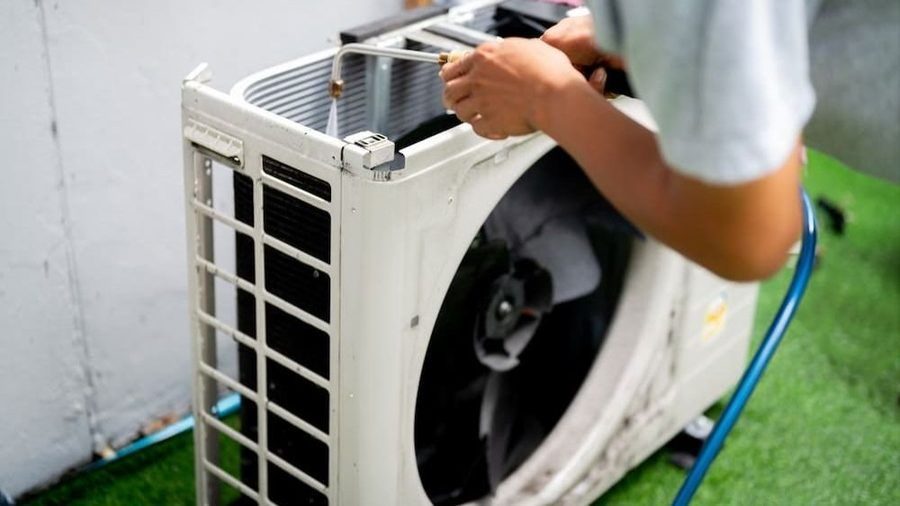
- Coil Cleaning: We use specialized solutions to remove the “winter grime” from your coils, restoring your system’s ability to release heat effectively.
Trust Hoover for Your 2026 Spring Readiness
Testing your AC is an important part of spring home maintenance, but timing is everything. By following the 55-degree rule and waiting for a stable warm stretch, you can avoid the “liquid slugging” that ruins compressors. Remember, the best way to ensure a cool and worry-free summer is to pair your DIY checks with a professional tune-up. At Hoover, we are ready to help you transition from the heating season to the cooling season with confidence.
Ensure your home is ready for the first Michigan heatwave by reaching out to Hoover Electric, Plumbing, Heating & Cooling today to schedule your professional AC tune-up.

When You Want It Done Right
Call Hoover!
Our electrical, plumbing, heating, & cooling professionals offer all the services you need under one roof.