We're Hiring — build your career with Hoover


How Do Michigan Winters Affect My High-Efficiency Furnace?
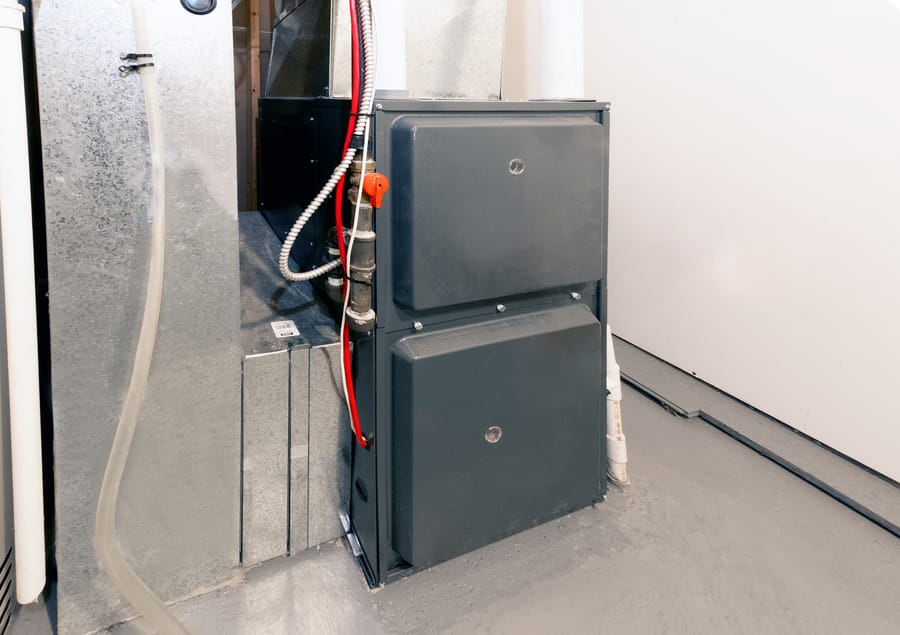
In Southeast Michigan, our winters are legendary. From the sub-zero wind chills in January to the heavy lake-effect snow that can bury a driveway in hours, the weather here doesn’t just ask your furnace to work; it demands it. While high-efficiency furnaces are designed to handle these extreme conditions and save you money, the harsh Michigan climate introduces specific challenges that can affect their performance.
At Hoover Electric, Plumbing, Heating & Cooling, we have spent decades helping homeowners in Troy, Clinton Township, and across Metro Detroit keep their homes warm. Understanding how a Michigan winter affects your high-efficiency furnace is the first step toward avoiding a midnight breakdown during a “blue norther.”
The Science of Efficiency in Sub-Zero Temps
High-efficiency furnaces (those with AFUE ratings of 90% or higher) differ from older models in one major way: they extract heat from combustion gases so effectively that the exhaust actually cools down and creates condensation. This advanced process is why they are so much cheaper to run, but it also makes them more susceptible to specific winter issues.
The Condensate Challenge
Because these units produce water as a byproduct of heating, they rely on a drainage system to move that liquid out of your home.
-
The Frozen Drain Line: If your condensate drain line runs through an unconditioned space like a crawlspace or near an exterior wall, the extreme Michigan cold can freeze the water inside the pipe.
-
The Safety Shutdown: When the drain line freezes, water backs up into the furnace. High-efficiency units are equipped with float switches that automatically shut down the system to prevent water damage. If your heat goes out and you see water pooling near the base of the unit, a frozen drain is a likely culprit.
Exhaust and Intake Obstructions
Unlike older furnaces that vent through a chimney, high-efficiency models use PVC pipes that exit through the side of your house.
-
Snow and Ice Blockage: During a heavy Michigan snowfall, drifts can easily cover these low-profile vents. Additionally, the warm, moist air leaving the exhaust pipe can turn into ice or “hoar frost” around the opening.
-
Suffocating the System: If the intake pipe is blocked, the furnace cannot get the oxygen it needs to burn gas. If the exhaust is blocked, dangerous combustion gases cannot escape. In either case, the furnace’s pressure switch will sense the restriction and shut the unit down for your safety.
Why the “Michigan Cycle” Strains Your System
In Metro Detroit, it is common to see temperatures drop forty degrees in a single day. This volatility creates a “power play” of mechanical stress on your furnace components.
Continuous Operation and Wear
When the outdoor temperature stays below zero for days at a time, your furnace may run almost continuously. This puts immense strain on three critical parts:
-
The Blower Motor: This motor works overtime to push warm air through your ducts. If your air filter is even slightly dirty, the motor has to work twice as hard to pull air through the restriction, leading to overheating.
-
The Ignitor: In high-efficiency systems, the ignitor is a delicate component that gets incredibly hot to light the burners. The more cycles your furnace runs to combat the cold, the faster this part wears out.
-
The Flame Sensor: During a long winter, carbon and dust can build up on the flame sensor. If it can’t “see” the flame, it will shut off the gas immediately after lighting, causing your furnace to “short cycle” and leaving your home chilly.
Essential Winter Survival Tips for Your Furnace
You don’t have to be an HVAC expert to help your furnace survive a Michigan winter. A few proactive habits can prevent the most common service calls we receive at Hoover.
The 30-Day Filter Rule
During the peak of winter, we recommend checking your air filter every 30 days. Because the furnace runs so frequently, it collects dust and pet hair much faster than it does in spring or fall. A clean filter is the single best way to reduce the load on your blower motor and lower your energy bills.
The “Walk-Around” After a Storm
After every significant snowstorm, take a walk around the exterior of your home. Locating your PVC furnace vents and ensuring they have at least a three-foot clearance of snow and ice is vital. This simple five-minute task can save you an emergency dispatch fee.
Humidity Management
Michigan winters are notoriously dry. When your furnace runs constantly, it further dries out the air in your home. This can make 70 degrees feel like 65. If you have a whole-home humidifier, ensure the pad is clean and the water is flowing. Properly humidified air holds heat better and feels much more comfortable at lower thermostat settings.
Protect Your Winter Comfort with Hoover
Is your furnace showing signs of struggle this winter? Do not wait for a total breakdown in the middle of a sub-zero night. The experts at Hoover Electric, Plumbing, Heating, Cooling are ready to provide a comprehensive check. From clearing condensate lines to testing your safety switches and cleaning flame sensors, we ensure your high-efficiency system is ready for whatever Michigan throws its way.
Contact us today to schedule your tune-up and experience the peace of mind that comes with a Hoover-certified home.

When You Want It Done Right
Call Hoover!
Our electrical, plumbing, heating, & cooling professionals offer all the services you need under one roof.